Rising liquor liability insurance premiums have placed enormous strain on bars, restaurants, and entertainment venues…
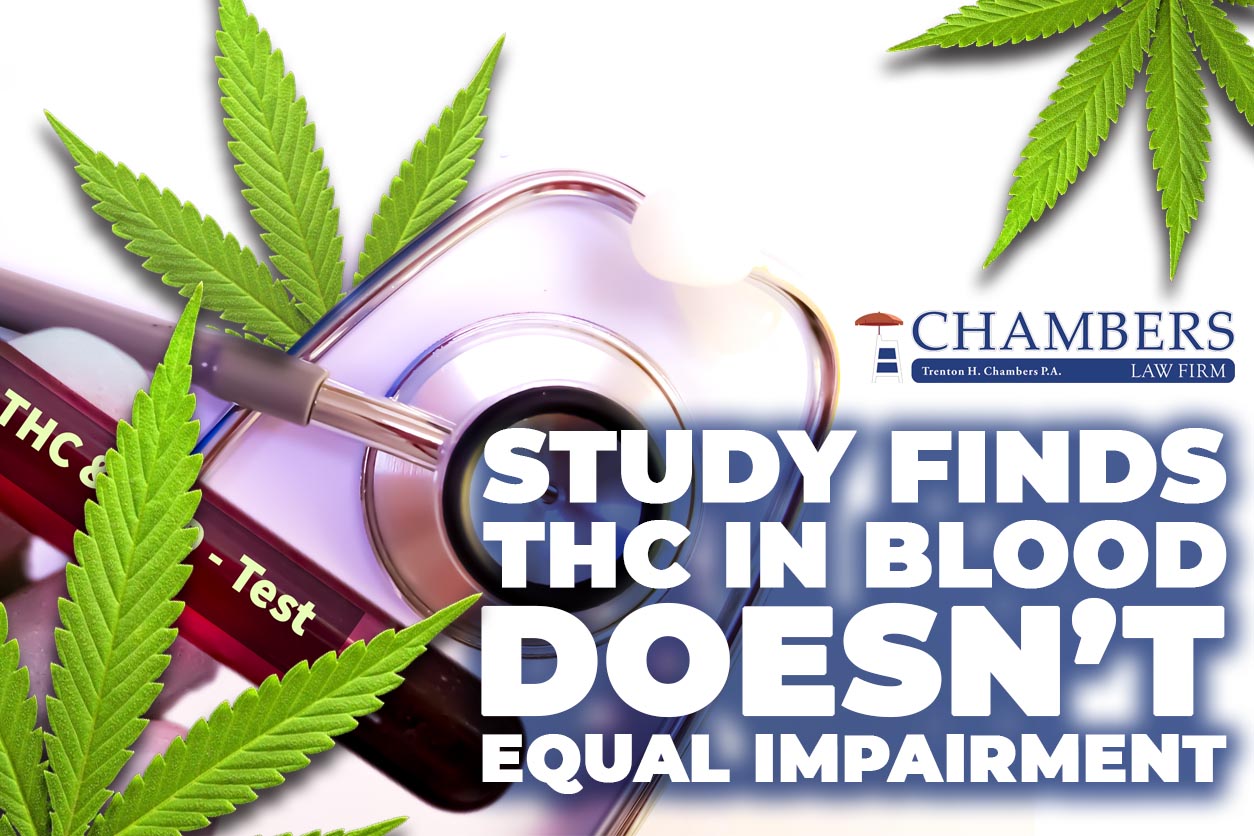
New Study: Trace THC in the Blood Does Not Indicate Impaired Driving, Researchers Say
A new peer-reviewed study may reshape how courts, lawmakers, and everyday drivers think about cannabis-related DUI charges. Published in Clinical Chemistry by researchers at the University of California San Diego, the study found no measurable difference in driving performance between individuals with low residual levels of THC in their blood and those who tested completely THC-negative.
For people in South Carolina—where marijuana laws remain strict and a DUI conviction can derail your career, finances, and future—this research matters.
Study Overview: What Researchers Found
The study analyzed 190 regular cannabis users who all abstained from cannabis for 48 hours before testing. Despite two days without use:
- Nearly 50% still showed THC levels above 0.5 ng/mL
- About 25% tested above 2 ng/mL
- Some exceeded 5 ng/mL, a threshold used in other states for automatic “per se” impairment
Even so, participants with detectable THC performed no differently in driving simulation than those who tested THC-negative.
Key Finding: Residual THC Does Not Equal Impairment
Researchers concluded that the THC seen after 48 hours likely reflected residual, steady-state THC, not intoxication or impairment.
Their summary was clear:
Per se THC blood limits “lack scientific credibility as prima facie evidence of impairment.”
This matches years of research showing no consistent link between THC levels in blood, urine, saliva, or breath and real-time driving performance.
Why This Study Matters for Drivers in South Carolina
South Carolina does not use a numerical THC limit like Colorado or Washington, but officers and prosecutors often attempt to argue impairment based solely on:
- The presence of THC in the bloodstream
- A defendant’s admission of prior cannabis use
- The smell of marijuana
- Field sobriety tests that are not validated for cannabis impairment
This study reinforces what defense attorneys have known for years:
- THC can remain in the body for days or weeks.
- Its presence alone is not proof of impairment.
- Driving ability must be evaluated based on actual performance and behavior—not chemical traces.
This is crucial for residents, tourists, military members, hospitality workers, and college students across Myrtle Beach, Conway, Surfside, Socastee, Carolina Forest, and the Grand Strand who may face aggressive prosecution for marijuana-related DUIs.
NORML’s Position: Test Behavior, Not Blood
NORML continues to advocate for performance-based testing instead of arbitrary THC limits. They support tools like:
- DRUID
- AlertMeter
- Other validated psychomotor assessments
These evaluate actual cognitive function—not leftover molecules.
What This Means If You’re Charged With a Marijuana DUI in Myrtle Beach
A marijuana DUI in South Carolina is serious. Penalties may include:
- Jail time
- Driver’s license suspension
- SR-22 insurance
- Heavy fines
- Long-term criminal record
But as the science makes clear:
Residual THC ≠ Impaired Driving.
A skilled defense attorney can challenge the State’s evidence, the officer’s conclusions, and any attempt to use THC blood levels as proof of impairment.
📞 Charged With a Marijuana DUI in Myrtle Beach or the Grand Strand? We Can Help.
At Chambers Law, LLC, we defend clients throughout:
- Myrtle Beach
- North Myrtle Beach
- Conway
- Horry County
- Georgetown County
- The Grand Strand
If you’re facing a marijuana-related DUI—or any impaired driving charge—you need a defense attorney who understands both the science and South Carolina law.
Call Chambers Law today for a confidential consultation.
We fight aggressively to protect your driving privileges, your record, and your future.
⚖️ Legal Disclaimer
This blog post is for informational purposes only and does not constitute legal advice. Reading this article does not create an attorney–client relationship. Every case is different, and you should consult a licensed South Carolina attorney for advice about your specific situation.
Related Posts